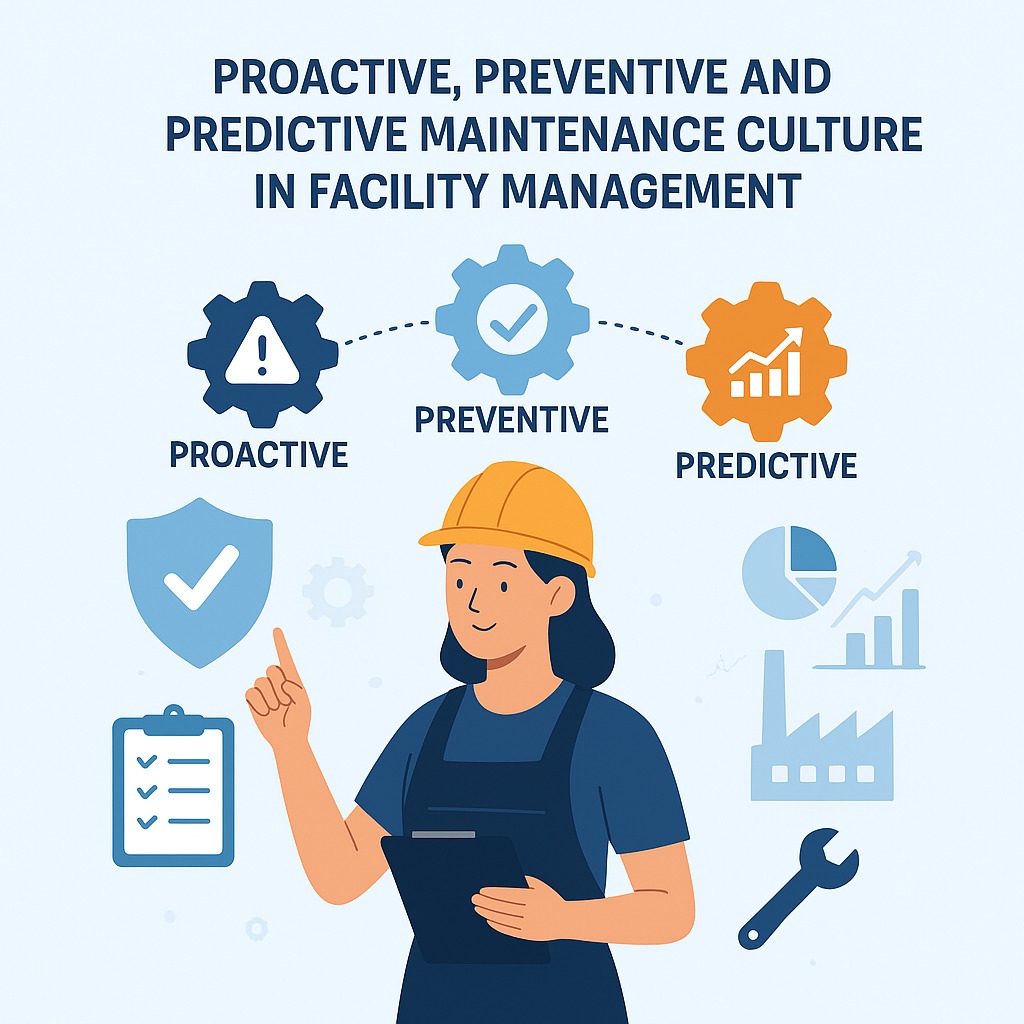
BUILDING A PROACTIVE MAINTENANCE CULTURE: THE KEY TO ENHANCING WORKPLACE RELIABILITY AND EMPLOYEE COMFORT
- November 10, 2025
Introduction
Corporate buildings are not just structures made of steel, glass, and concrete; they are living environments that support productivity, comfort, and brand reputation. Yet, in many organizations, facility maintenance is still viewed as a reactive function: something to worry about only when systems fail or complaints arise.
That old mindset is costly. It leads to unplanned downtime, higher repair bills, and avoidable disruptions that directly affect employees’ comfort and concentration. In contrast, adopting a proactive maintenance culture turns maintenance into a strategic advantage and one that boosts reliability, reduces costs, and keeps the workplace running smoothly.
Why Reactive Maintenance Doesn’t Work
Reactive maintenance - the “fix it when it breaks” approach - is like treating symptoms without addressing the cause. When systems are only repaired after failure, downtime becomes inevitable, comfort will drops, and facility teams are left firefighting issues that could have been prevented with foresight and planning.
Proactive maintenance, on the other hand, uses preventive and predictive methods to identify problems early. By scheduling maintenance before breakdowns occur, organizations can extend the life of assets, minimize interruptions, and maintain consistent environmental conditions that support employee well-being.
In short, reactive maintenance costs more in the long run - not just in repairs, but in lost productivity and morale.
The Benefits of a Proactive Maintenance Culture
1. Enhanced Reliability and Fewer Disruptions When assets are well-maintained, unexpected failures become rare. This means fewer interruptions to daily operations, fewer urgent calls to the facility team, and a smoother experience for everyone in the building.
2. Improved Employee Comfort and Well-being A comfortable environment - consistent temperature, clean air, proper lighting, and functioning elevators - directly influences how people feel and perform at work. Proactive maintenance ensures that these systems run efficiently, creating a stable and pleasant workplace atmosphere.
3. Reduced Costs and Better Budget Planning It’s far cheaper to maintain equipment regularly than to replace it prematurely or pay for emergency repairs. Predictive maintenance also helps organizations forecast expenses and allocate budgets more effectively, turning maintenance from a cost burden into a value-driven process.
4. Energy Efficiency and Sustainability Well-maintained systems consume less energy and produce fewer emissions. This aligns with corporate sustainability goals and can even help companies achieve certifications such as ISO 41001 or LEED for green buildings.
How to Build a Proactive Maintenance Culture
1. Leadership Commitment A culture shift begins at the top. Leadership must recognize that maintenance is not just about fixing things; it’s about protecting investments and enabling productivity. When executives align maintenance goals with business objectives, the entire team starts to view reliability as a shared responsibility.
2. Implement a Reliability Framework Adopting frameworks like Reliability-Centered Maintenance (RCM) helps identify which assets are most critical and the best strategies for keeping them operational. It ensures maintenance activities are based on risk, not guesswork.
3. Embrace Technology and Data Tools such as Computerized Maintenance Management Systems (CMMS), IoT sensors, and analytics platforms can transform how facilities are managed. With real-time data, teams can detect early warning signs, track performance trends, and schedule maintenance before small issues escalate into big problems.
4. Standardize and Document Processes Establishing clear maintenance procedures and documentation ensures consistency. Aligning with standards like ISO 41001 helps structure facility operations and keeps everyone accountable.
5. Invest in People and Skills Technology is powerful, but people make it work. Training technicians to interpret data, empowering teams to make decisions, and encouraging open communication between departments all contribute to a strong maintenance culture.
6. Collaborate with Strategic Partners No team can do it all. Partnering with reliable vendors, service providers, or energy consultants can help fill skill gaps and provide specialized expertise that strengthens overall performance.
Key Performance Indicators (KPIs) to Track
- Unplanned downtime (hours per month)
- Preventive vs. reactive work order ratio
- Mean Time Between Failures (MTBF)
- Energy use per square meter
- Occupant comfort or satisfaction scores
Tracking these KPIs helps quantify progress and identify areas that need improvement, ensuring that the proactive culture stays on course.
Conclusion
Moving from reactive to proactive maintenance is not just about changing schedules, it’s about changing mindsets. When organizations view maintenance as a strategic enabler rather than a back-office function, they create workplaces that are reliable, efficient, and comfortable.
A proactive maintenance culture doesn’t just protect buildings; it protects productivity, employee well-being, and the organization’s bottom line. The comfort and reliability that result from this approach ultimately reflect the professionalism and foresight of the facility management team.
References
International Facility Management Association. (n.d.). Linking predictive maintenance to the bottom line. IFMA.
Whole Building Design Guide. (n.d.). Reliability-centered maintenance (RCM) guide. National Institute of Building Sciences.
International Organization for Standardization. (2018). ISO 41001:2018: Facility management: Management systems: Requirements with guidance for use. ISO.
ASHRAE Journal. (n.d.). The role of predictive maintenance in energy efficiency. ASHRAE.
UpKeep. (n.d.). Building a proactive maintenance program: A step-by-step guide. UpKeep Technologies.
Written by: PROSPER OGHENERIYE